
The Ultimate Guide to Valorant Crosshair Settings in 2026
Key Facts: Valorant Crosshair Settings
| Feature | Description | 2026 Meta Trend |
|---|---|---|
| Customization Depth | Ability to alter color, opacity, inner/outer lines, and center dots. | Minimalist designs (small dots or tight crosses) dominate high Elo. |
| Popular Colors | High-contrast hex codes that stand out against map geometry. | Cyan (#00FFFF) and Green (#00FF00) remain the top choices. |
| Dynamic Mechanics | Crosshairs that expand based on movement and firing error. | Mostly disabled by pros to reduce visual clutter and variance. |
| Profile Sharing | Alphanumeric codes used to instantly import configurations. | Widespread use of community hubs to share Valorant crosshair settings. |
Overview: The Importance of Valorant Crosshair Settings
In the high-stakes world of tactical first-person shooters, precision is not just an advantage; it is an absolute necessity. In Riot Games’ flagship shooter, a single well-placed headshot can determine the outcome of a round, making your reticle your most fundamental tool. The phrase Valorant crosshair settings is one of the most frequently searched terms in the gaming community, underscoring its critical importance to the player base in 2026. Unlike many legacy titles that force players to use third-party software or console commands, this game offers an exceptionally deep, accessible, and intuitive customization suite directly within the client.
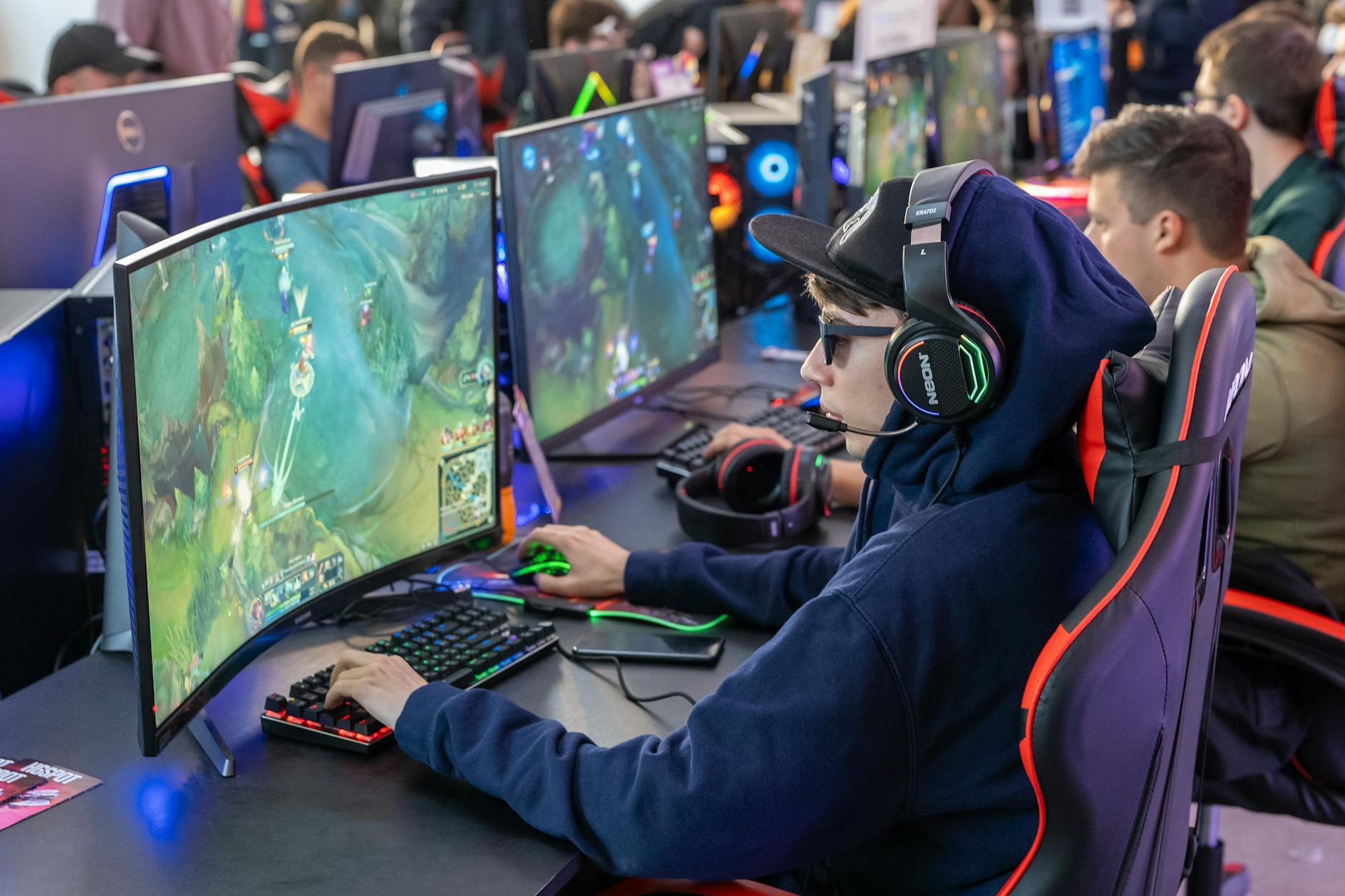
Understanding your Valorant crosshair settings goes far beyond simply picking a color you like. It involves tailoring a crucial UI element to your exact neurological and stylistic preferences. The human eye reacts differently to various stimuli, and a reticle that is too thick can obscure distant targets, while one that is too thin might get lost in the chaotic visual effects of utility usage. By mastering your Valorant crosshair settings, you are actively removing psychological barriers between your mechanical skill and your in-game performance.
As we navigate the competitive landscape of 2026, the meta surrounding Valorant crosshair settings has heavily shifted toward minimalism. The days of massive, screen-dominating reticles are long gone. Today, players prioritize high-contrast colors and static shapes that provide a reliable, unwavering point of focus. This evolution highlights a broader understanding of aiming psychology: the perfect reticle is one that you barely have to think about, allowing your muscle memory to take over completely.
The Psychology of Aiming
The ‘perfect’ setup is as much about psychological comfort as it is about technical advantage. When you trust your Valorant crosshair settings, your confidence naturally increases, leading to more decisive and accurate aiming. Second-guessing your setup mid-match is a surefire way to lose focus. Therefore, investing time in the practice range to fine-tune these parameters is a mandatory step for any player serious about climbing the ranks.
How to Play Like a Pro: Configuring Your Settings
If you want to play like a professional, you need to understand the granular details of your Valorant crosshair settings. The customization menu is divided into several key components: the center dot, inner lines, outer lines, and dynamic error settings. Each of these elements can be adjusted in terms of opacity, length, thickness, and offset.
To optimize your Valorant crosshair settings, start by isolating variables. The inner lines are the bread and butter of most configurations. A standard pro setup often involves an inner line length of 3 or 4, a thickness of 1 or 2, and an offset of 2. This creates a tight, precise cross that perfectly frames an enemy’s head at medium to long ranges. Outer lines are generally disabled by high-level players, as they add unnecessary visual noise that can distract from the central focal point.
Color selection is another crucial aspect of your Valorant crosshair settings. Data analysis of popular configurations in 2026 reveals that high-contrast colors are overwhelmingly preferred. Cyan (#00FFFF), green (#00FF00), and magenta (#FF00FF) are the most common choices. These specific hues rarely appear in the environmental textures of the game’s maps, ensuring that your reticle remains highly visible whether you are holding an angle on the sandy walls of Bind or the futuristic metal corridors of newer maps.
Mastering the Practice Range
Do not build your setup blindly. The practice range is your laboratory for testing Valorant crosshair settings. Spawn a group of bots and practice flicking between targets at varying distances. Pay close attention to how the reticle feels during strafing and counter-strafing. If you find yourself losing track of the center point during a spray, you may need to increase the opacity or add a subtle center dot. Adjusting your Valorant crosshair settings is an iterative process that requires patience and self-awareness.
Bonus Features: Import Codes and Customization
One of the most universally praised innovations by Riot Games is the ability to share configurations seamlessly. The import/export system acts as a massive quality-of-life “bonus feature” for the community. Instead of manually adjusting sliders, players can share their exact Valorant crosshair settings via a simple alphanumeric code. This has birthed a thriving ecosystem of content creators, coaches, and professional players who regularly update and share their setups with their audiences.
In 2026, utilizing these import codes is the most efficient way to experiment with new Valorant crosshair settings. If you admire the raw mechanical aim of a specific esports professional, you can instantly copy their exact visual setup. This is highly recommended for newer players who might feel overwhelmed by the sheer number of sliders in the menu. Starting with a proven template provides a solid foundation from which you can make minor, personalized tweaks.
Advanced Customization Tricks
Beyond the standard sliders, the game allows for independent customization of Aim Down Sights (ADS) and Sniper Scope settings. Advanced players often use different Valorant crosshair settings for their primary rifle hip-fire versus their ADS. For example, you might prefer a standard cross for hip-firing but a simple, glowing red dot when aiming down the sights of a Vandal or Bulldog. Taking advantage of these granular bonus features ensures you are perfectly equipped for any combat scenario.
RTP & Volatility: Consistency vs. Dynamic Crosshairs
While concepts like Return to Player (RTP) and Volatility are traditionally native to casino gaming and slot machines, they provide a surprisingly accurate framework for understanding player performance in relation to Valorant crosshair settings. In this context, we can analyze how different configurations impact your consistency and variance in-game.
Consistency (The ‘RTP’ Analogy): In tactical shooters, consistency is your ability to reliably perform at your average skill level and secure kills (your “payout”). A well-configured, static reticle acts like a high-RTP machine. By utilizing static Valorant crosshair settings, you are guaranteeing a stable, predictable visual experience. It does not clutter the screen with expanding lines or changing opacities, allowing your brain to focus entirely on target acquisition. Over the course of a long match, this low-variance setup leads to a higher “Return to Player” in the form of consistent headshots and reliable spray control.
Performance Swings (The ‘Volatility’ Analogy): Volatility represents the variance in your performance. Dynamic Valorant crosshair settings—where the lines expand outward based on movement error or firing error—can be viewed as a highly volatile option. For beginners, this high volatility is somewhat beneficial; it acts as a training wheel, providing immediate visual feedback when they are moving too fast to shoot accurately. It is like a bonus round that teaches you the game’s mechanics.
However, for experienced players in 2026, dynamic Valorant crosshair settings introduce unnecessary visual noise. The constant motion of the reticle can be incredibly distracting during intense clutch situations, potentially leading to wider swings in performance—moments of brilliant mechanical outplays followed by frustrating whiffs. This is why the vast majority of high-level competitors opt for low-volatility, static Valorant crosshair settings to minimize variables and maximize their baseline consistency.
Editorial Review: This guide has been reviewed by the editorial team for clarity, practical value, mobile usability, payment safety, and safer decision-making.